// TOM'S HARDWARE US — HARDWARE & GADGET
Nintendo stands by physical games as Sony embraces a digital-only future
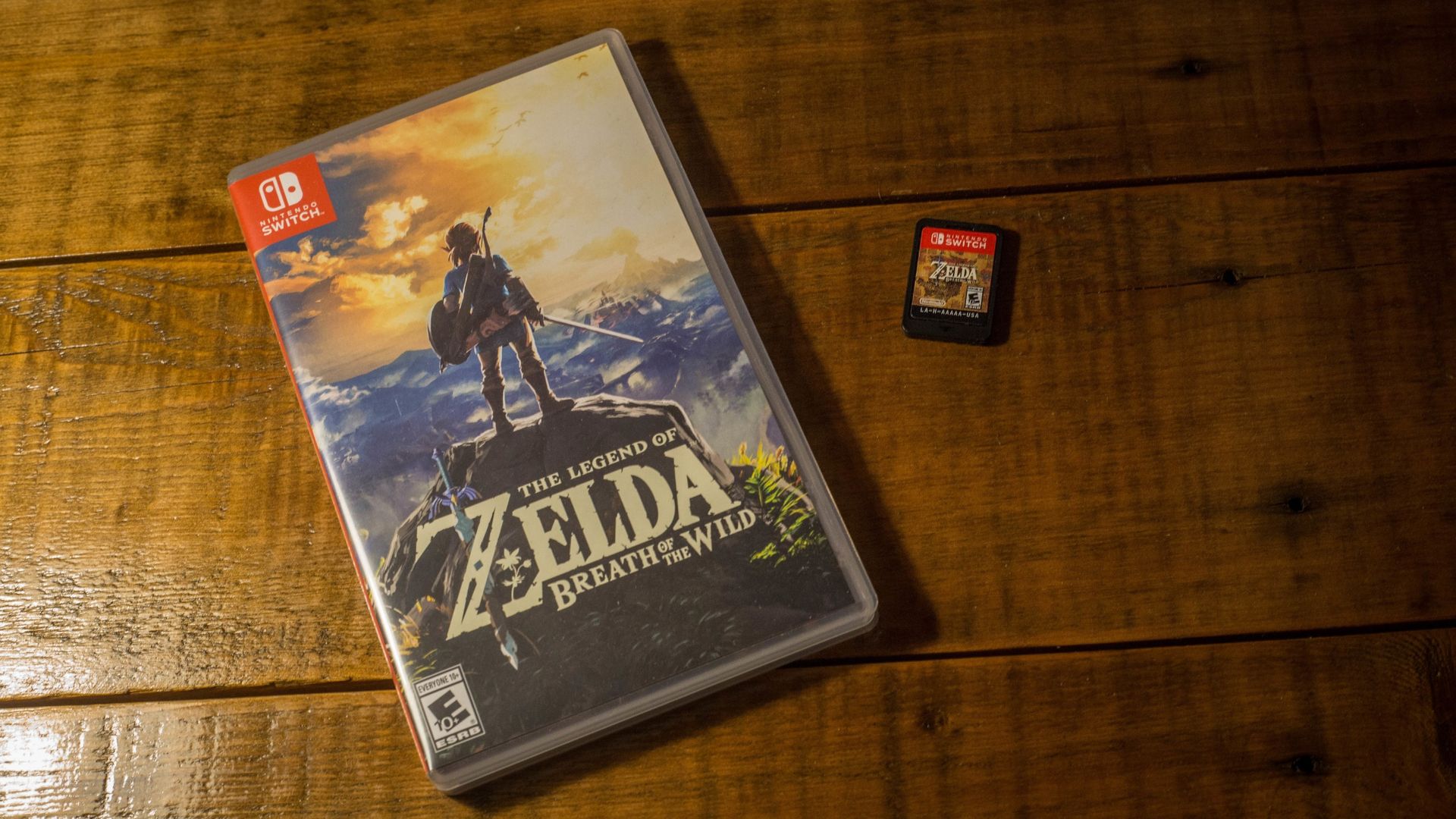
Driven by player preference, Nintendo confirms cartridges are here to stay.
When you purchase through links on our site, we may earn an affiliate commission. Here’s how it works.
While Sony remains committed to phasing out physical media, Nintendo is taking the opposite approach. In a recent interview with the Brazilian YouTube channel Coelho no Japão, Bill van Zyll, Nintendo's VP and General Manager for Latin America, confirmed that the company has no plans to abandon cartridges.
"Historically, we’ve been very agnostic, right?" stated van Zyll in the interview.
The Nintendo executive firmly continued, "We go off what the consumer prefers, and take that into account very heavily. We also have a platform that was just launched. We're barely just over a year into NS2. It's got both digital and physical – that capability. There's no plans to ditch physical. We know how much the fans like it as well, so our position has been to be agnostic."
In an era where the gaming industry is rapidly shifting toward digital distribution, it is comforting to see at least some companies still supporting physical media. The core issue with digital purchases is that you do not truly own what you buy; instead, you are purchasing a license to access the game, unlike owning a cartridge or game disc. Some storefronts, such as GOG or itch.io, offer DRM-free downloads of the titles you purchase, but only a handful of them exist.
However, even cartridges cannot completely escape the march toward digitalization. With the release of the Nintendo Switch 2, Nintendo introduced game-key cards, physical cards that contain a license to download the full game data. Modern AAA game releases have exceeded the storage capacity of traditional cartridges or discs. For instance, Black Myth: Wukong and the upcoming Grand Theft Auto VI use this code-in-a-box model.
On the Nintendo Switch and Switch 2, cartridges max out at 32GB and 64GB, respectively. That is not much capacity by modern standards, so publishers turn to game-key cards as a compromise for a physical release. Compared with fully digital releases, game-key cards bind the license to the card, so owners can still trade or sell them like normal cartridges.
Owning physical copies can sometimes cost more than going digital, especially for Nintendo’s first-party titles. Effective as of May 2026, physical versions of first-party Nintendo titles sell for $10 more than their digital counterparts. The price increase was due to manufacturing, packaging, and distribution costs for cartridges. However, Nintendo frames the pricing adjustment differently, claiming it lowered digital game prices by $10 to pass the savings on to consumers.
Get Tom's Hardware's best news and in-depth reviews, straight to your inbox.