// TOM'S HARDWARE US — HARDWARE & GADGET
We tested the RTX Spark Superchip in Microsoft's Surface Laptop Ultra
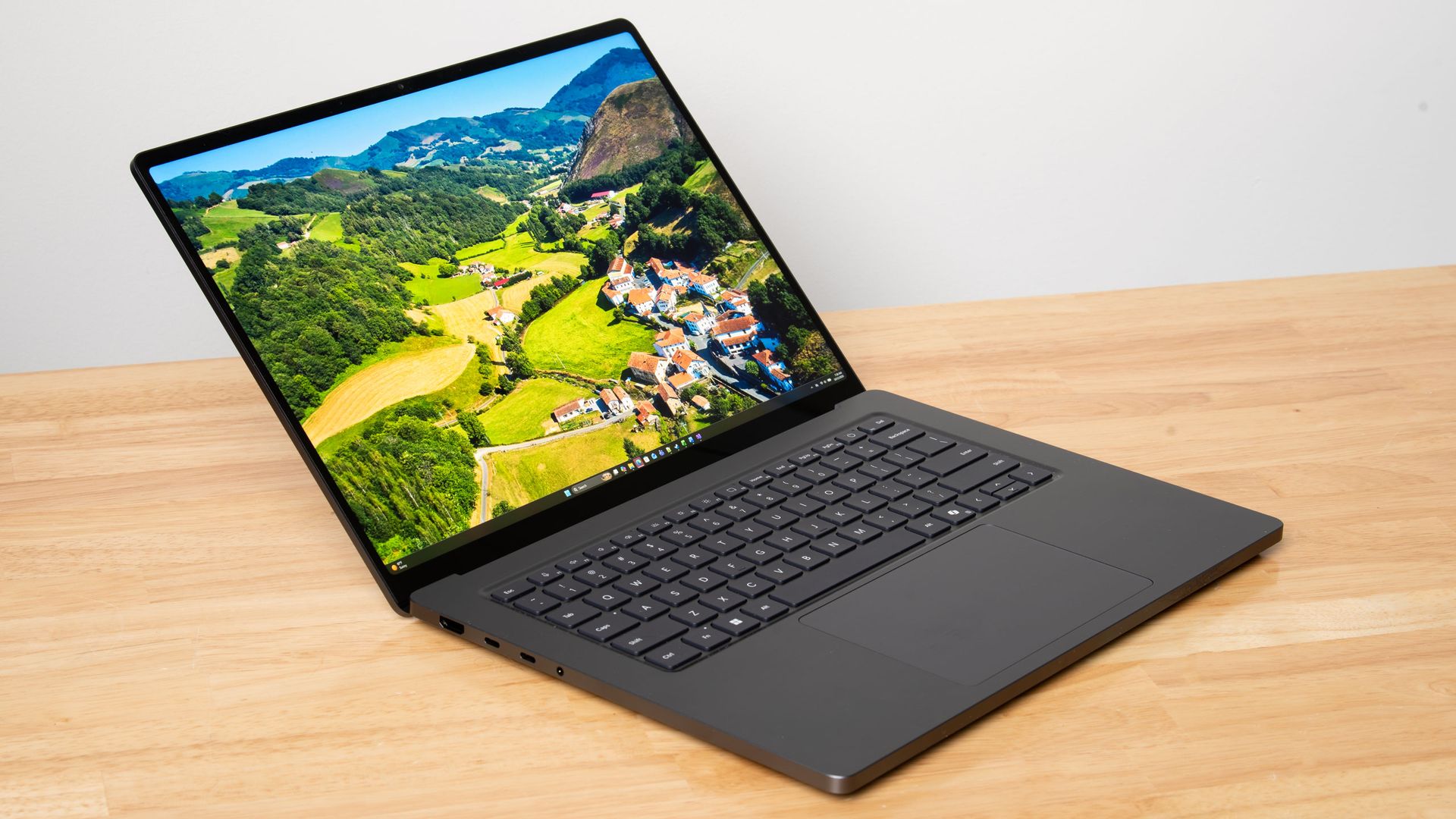
Laying the foundation for the reinvention of the PC in the agentic AI era
When you purchase through links on our site, we may earn an affiliate commission. Here’s how it works.
Nvidia CEO Jensen Huang announced the RTX Spark platform with the grand ambition to “reinvent the PC” back at Computex 2026. By pairing the GB10 Superchip with a version of Windows on Arm tailored for the secure and contained execution of local AI agents, Nvidia and its partners at Microsoft, Dell, HP, MSI, Lenovo, and Asus are all hoping to pave the way to a future where the PC is an active, autonomous companion for work and creation.
The hardware foundation for that vision of the future is now in place. Last week, we flew out to San Francisco to get all the details on the RTX Spark platform, and we returned home with Microsoft’s Surface Laptop Ultra in top-end trim to put it all to the test.
This system has the full RTX Spark Superchip with 20 CPU cores and 6144 CUDA cores alongside 128GB of LPDDR5X-9400 RAM, and I’ve been putting it through its paces over the past week to see just what it can do.
The embargoes for the RTX Spark launch are a bit peculiar. Today, we’ll be sharing our broad experience with the Spark platform, as well as competitive performance evaluations, but not any system-specific results such as battery life, build or display quality, or other details of that nature. We have other RTX Spark laptops in the Tom’s Hardware labs, and detailed reviews of those systems will be coming soon.
No, this approach doesn’t make a lot of sense when the experience of a mobile platform is intimately and inextricably tied to the specific implementation of that chip in a particular laptop design. And we know that battery life is the first and foremost concern of many interested in this platform. But again, all that information is coming soon.
For this first round of testing, we compared the Microsoft Surface Laptop Ultra with RTX Spark against two systems. The first is a 14" MacBook Pro with Apple's highest-end M5 Max SoC inside. That Mac has a 40-core GPU and an 18-core CPU, as well as 128 GB of LPDDR5X RAM. We don't have a mobile Ryzen AI Max+ 395 system in the labs right now, but we do have AMD's compact Ryzen AI Halo as a source of fresh data with the latest ROCm stack and llama.cpp builds.
Judging local AI performance is a constantly moving target, and this review is no different. Our past testing has exercised the prompt processing and token generation phases of AI inference separately, with the understanding that a system that's fast at both those phases provides the best experience.
Get Tom's Hardware's best news and in-depth reviews, straight to your inbox.