// SPACE.COM — SPAZIO & SCIENZA
Jeff Bezos is playing the long game with Blue Origin (op-ed)
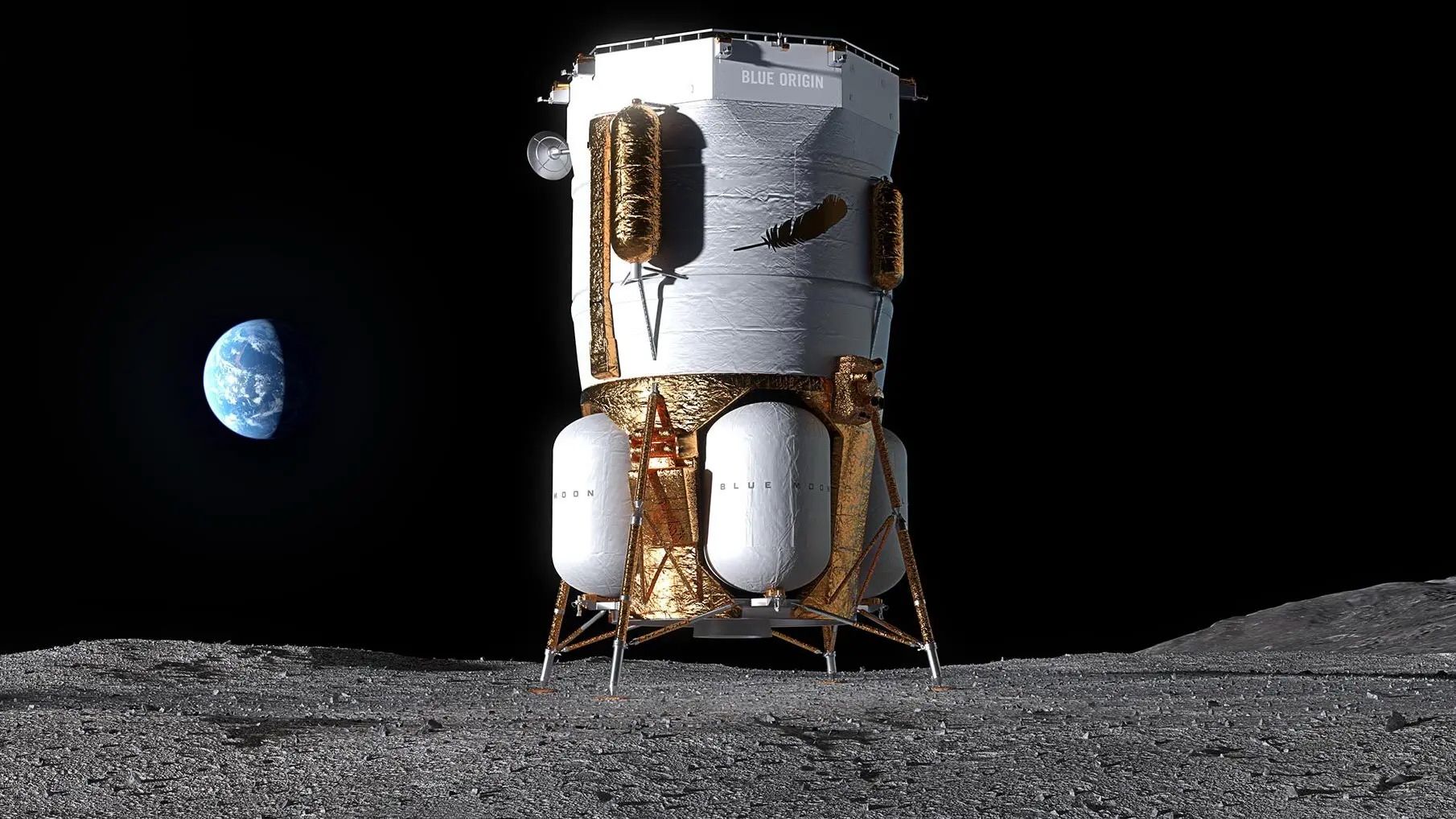
Why Blue Origin may stay a private company for a while longer.
When you purchase through links on our site, we may earn an affiliate commission. Here’s how it works.
Daniel Biedermann is a partner at NewSpace Capital. He contributed this article to Space.com's Expert Voices: Op-Ed & Insights.
Jeff Bezos, the founder and former CEO of Amazon, recently said that Blue Origin, his space technology company, is likely to go public in the coming years. The announcement has (unsurprisingly) attracted considerable attention, not least because Bezos has spent more than two decades financing the company largely from his personal wealth. He has invested billions of dollars in developing rockets, spacecraft and other forms of technology, often with very little prospect of an immediate return. But although Bezos has now raised the possibility of an initial public offering, he has given no firm indication of when one might happen. He may be right to keep his options open.
Bezos founded Blue Origin in 2000. Because he has financed so much of its development by himself, the company has been able to pursue ambitious engineering projects without the financial pressures that publicly listed businesses typically face. But developing reusable rockets, manufacturing spacecraft and building the infrastructure needed for future lunar missions requires extraordinary amounts of capital: These projects can take decades to complete, and even the wealthiest investors must think hard about how best to finance them over the long term. Bezos, then, has good reasons to seek additional sources of investment — particularly as Blue Origin prepares to expand its commercial operations.
An IPO would give Blue Origin the means to raise substantial capital from public investors and reduce its dependence on Bezos's personal wealth. The company could then use that money to expand manufacturing, develop new technology and compete for a greater share of the growing space market. Public ownership would also give existing investors the power to sell some of their holdings and could make it easier for Blue Origin to finance acquisitions. But the company would also have to meet the expectations of shareholders, who would expect to see regular evidence of commercial progress. This, I suspect, is why Bezos wants to establish a stronger business before committing to a listing.
It might have much to prove commercially, but Blue Origin’s technical progress has been remarkable. In January 2025, its New Glenn rocket reached orbit for the first time — a significant achievement for a vehicle built to compete in the heavy-lift launch market. The company has also secured government and commercial contracts and continued developing its lunar capabilities. But it will eventually have to demonstrate that it can launch New Glenn frequently, reliably and at a commercially competitive cost, and it is still some way away from that point.
Some will be asking whether Bezos wants to raise money to accelerate growth or simply to reduce the amount he himself must invest. Such doubts could affect the company's valuation and make it harder to attract investors who share its long-term ambitions. But again, this suggests Bezos is playing the long game. And given the enthusiasm that has surrounded some billionaire-led space ventures, this is sensible. Investors have sometimes attached extraordinary valuations to companies with ambitious plans but limited commercial experience. Space businesses certainly require ambition: engineers will often spend years developing technology before they can sell it. But investors have to distinguish between technical achievement and commercial performance. At the end of the day, they are seeking a strong rate of return.
What’s also worth considering is how Blue Origin's progress could benefit the wider space industry, particularly the specialist companies that supply technology to larger manufacturers and operators. SpaceX has achieved remarkable success in part