// TOM'S HARDWARE US — HARDWARE & GADGET
Nvidia RTX 20, 30, and 40-series GPUs hacked to remove a half-speed AI throttle
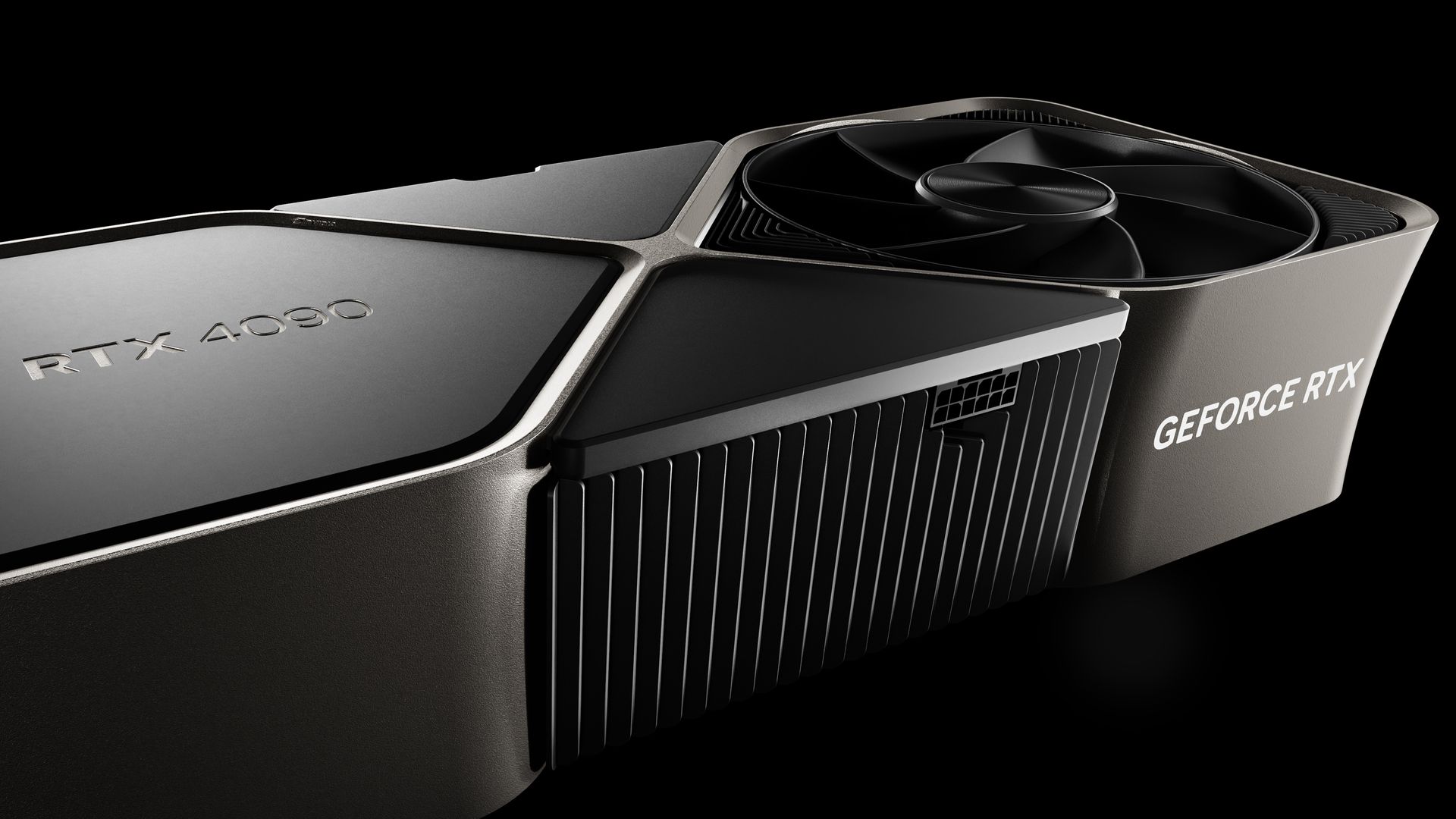
Real workloads gain less than peak tensor rates, and chatbot token speeds stay about the same.
When you purchase through links on our site, we may earn an affiliate commission. Here’s how it works.
Modders have discovered a way to remove imposed half-speed AI performance limits on Nvidia RTX 20, 30, and 40-series GPUs with a firmware exploit, VideoCardz reports. Without the limitation, the RTX 4090 can achieve double its peak tensor rate, and matrix math can improve by up to 80% for the RTX 3090 Ti, with gains on other cards varying. Real workloads gain significantly less than the RTX 4090’s doubled peak would imply, and chatbot token speeds remain about the same, as that performance is dependent on memory bandwidth.
For all impacted GeForce generations, Nvidia imposed a limit that, per its own published specs, runs FP32-accumulate math at half each card’s FP16-accumulate rate. That does not apply to its Turing and Ampere pro cards. The unlock returns native matrix-math throughput to owners of the cards, which can speed up prompt processing and image generation.
Three separate projects offer generation unlocks, each with its own unofficial Linux module, while experimental Windows builds pursue a different approach. Card coverage varies by generation, with gpu-unlock handling Ampere and listing the GA102/GA103/GA104/GA106 series IDs. An Ada fork, gpu-unlock-ada, covers the RTX 4090 and, experimentally, the 4090 D, 4070 Ti Super, and the 4060 Ti 16GB. The turing-unlock project, adapted from gpu-unlock, works with the RTX 2080 Ti. See Table 1 for a breakdown.
Other Turing GPUs, added untested; FP16 only, since Turing lacks BF16 support
RTX 3090 Ti, 3090, 3080 10GB, 3080 20GB (memory-modded), 3070, 3060 12GB
RTX 3070 Ti and GA103 cards untested; one RTX 3080 Ti 20GB OEM card stays at half rate
RTX 4090 D, 4070 Ti Super, 4060 Ti 16GB (experimental, one card each)
Not supported; gpu-unlock’s developer calls it out of scope