// TOM'S HARDWARE US — HARDWARE & GADGET
LG WOLED TVs suffer from 'edge rot' pixel death
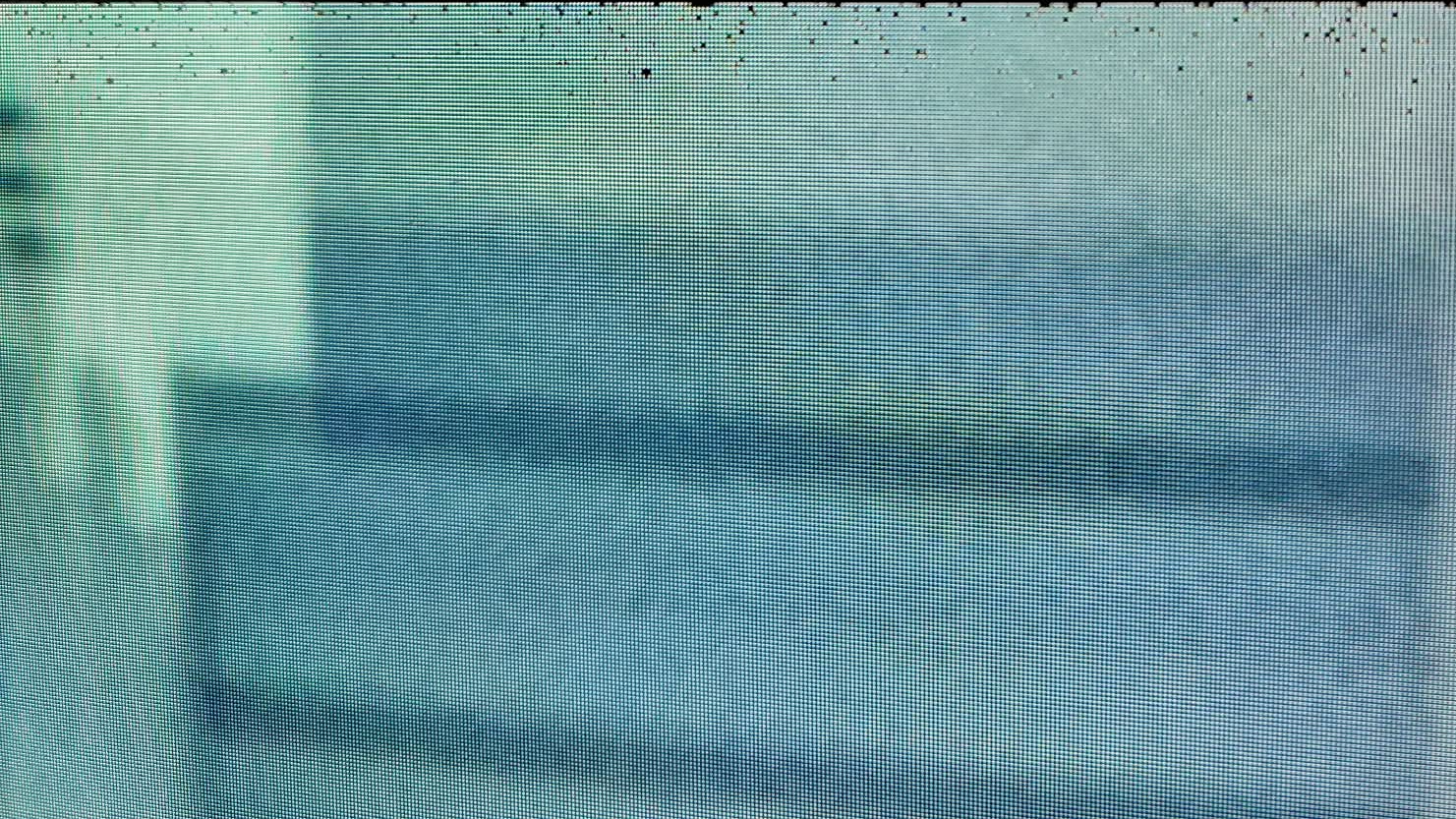
User reports of the problem keep mounting, as well, including from RTings staff and our own.
When you purchase through links on our site, we may earn an affiliate commission. Here’s how it works.
When shopping for an OLED TV, most prospective owners are concerned about burn-in, a problem that's been mostly mitigated, save perhaps for scenarios that involve leaving a TV on 24/7. This has been demonstrated by RTing's famous long-running test, but the site has found a new problem that seemingly pertains to pre-2023 LG WOLED panels: edge rot, where pixels progressively go dark around the edges, similar to a mold pattern.
RTings says that 14 out of the 16 LG televisions in its burn-in test have developed this problem in varying degrees, so 87.5% of a small test sample are affected. Those sets were all made between 2020 and 2022. The site says that several staff members saw the issue pop up on their personal televisions. Some searches indicate similar reports from users everywhere, and coincidentally, I learned about this just last week as a close friend sent photos of his 2019 LG TV.
The site says that the television sets bearing Samsung QDOLED panels in its burn-in test do not exhibit these symptoms, though it notes that it only has three such units in its test run. Additionally, since the test ran between 2022 and 2025, RTings says it can't assess whether LG's newer-generation WOLED panels have this issue, and notes that the manufacturing process for said panels reportedly improved in 2024.
Needless to say, most of the television sets in the study are going to be out of warranty. LG does have five-year panel warranty coverage, but only since 2021, and only covering higher-end units like the G, Z, and M series. It's still worth looking into this, in case you own a set from those lines and within the covered timeframe.
RTings asked for statements on the matter from both LG and Samsung, and interestingly, both firms discussed moisture directly or indirectly. LG stated that the issue "may occur in a very small number of OLED products under prolonged exposure to high-temperature, high-humidity, or other harsh environmental conditions."
It's not likely that RTing's test environment is especially humid, though, and the flurry of user reports with TVs sitting in their own living rooms doesn't lend much credence to LG's argument.
Meanwhile, Samsung is more specific, saying that it's implemented its proprietary Thin Film Encapsulation (TFE), a method for blocking ingress at the panel's edge. The firm says TFE "[eliminates] the root cause of border degradation and [ensures] long-term edge-to-edge uniformity where traditional structures falter."
Get Tom's Hardware's best news and in-depth reviews, straight to your inbox.