// PC GAMER — GAMING
How Silent Hill: Townfall's developer created a fictional town that's still real—'It exists. It's there'
When you purchase through links on our site, we may earn an affiliate commission. Here’s how it works.
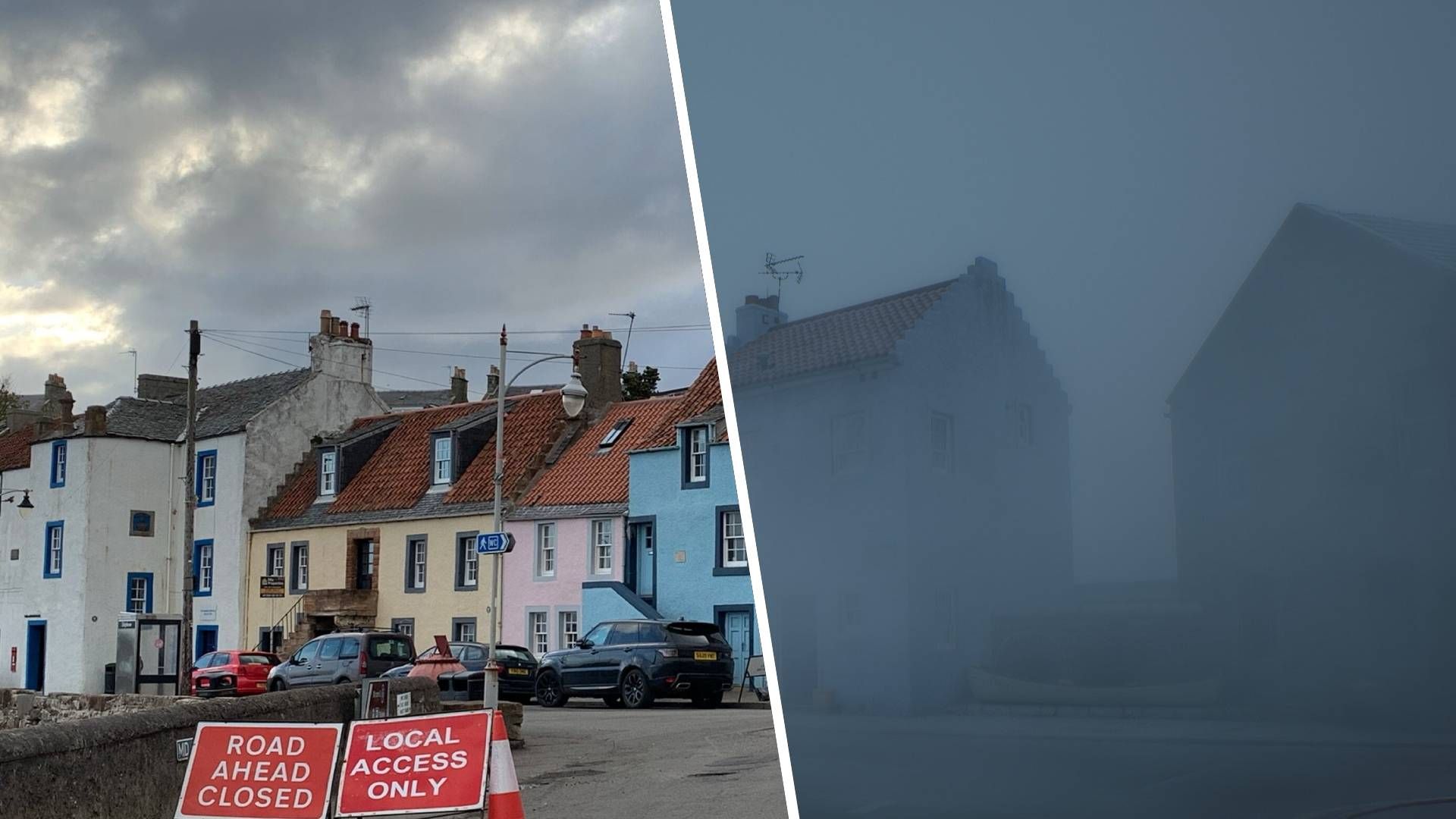
Silent Hill: Townfall's St. Amelia is a singularly unnerving location, especially if, like me, you are blessed with the good fortune to be a Scot. It's a fictional place, but one that a lot of us are intimately familiar with, even as it's twisted by fog and trauma. It's a nightmare, and like most nightmares it's powerfully relatable.
When I spoke with director Jon McKellan at Gamescom, we talked a lot about Scottishness and authenticity, which St. Amelia has in spades. And with the game now out in the wilds, we've reconvened—this time joined by art director Paul Abbott—to dig deeper into the town's origins, and the process that brought it to life.
Screen Burn knew it wanted to create St. Amelia, and it had a clear vision for the town right at the start. "We knew where we wanted to draw reference from—lots of Scottish coastal towns, island towns, stuff like that," McKellan tells me. "Once you've played through the story, I think the things that have happened to St. Amelia, it's very much because of who they are and where they are. So it was always a fundamental part of the story that it was the type of town it was."
"We realised that leaning into things was going to make things much more authentic."
But what wasn't locked down was St. Amelia's location. "What wasn't clear right away was whether we were actually going to say that it was a Scottish town or just a Northern European town, and kind of leave it very vague." It didn't take long for Screen Burn to settle on making it more specific, however. "We realised that leaning into things was going to make things much more authentic."
The original pitch to Konami described it as a small fishing village with Scottish heritage—something that should feel familiar and nostalgic to Scots, but bizarre to players from outside of the UK. "It should feel like a very new type of environment," McKellan adds.
After 27 years of both publishing and developing Silent Hill games, you might expect Konami to be extremely protective of the horror series, but McKellan says the publisher proved to be pretty hands-off—it was fully onboard with Screen Burn's concept.
"They knew we were passionate about striving for authenticity," he says, "not just in visuals but in the general feel of things—and that having a Scottish team build a Scottish town was the right way to go. Both Konami and Annapurna would regularly play and provide feedback, of course, but I think what was really surprising from the get-go was how aligned we all were on our general ideas and pitch."
It's surprising, given how much of a big deal Silent Hill has once more become for Konami—there's the assumption that big publishers like to meddle a wee bit, or leave developers with challenging restrictions. "It's such a rare joy to work with teams that welcome experimentation and exploration," McKellan adds, "especially on a franchise as big as this."