// SPACE.COM — SPAZIO & SCIENZA
Were there 'lost cosmonauts' in the early Soviet space program?
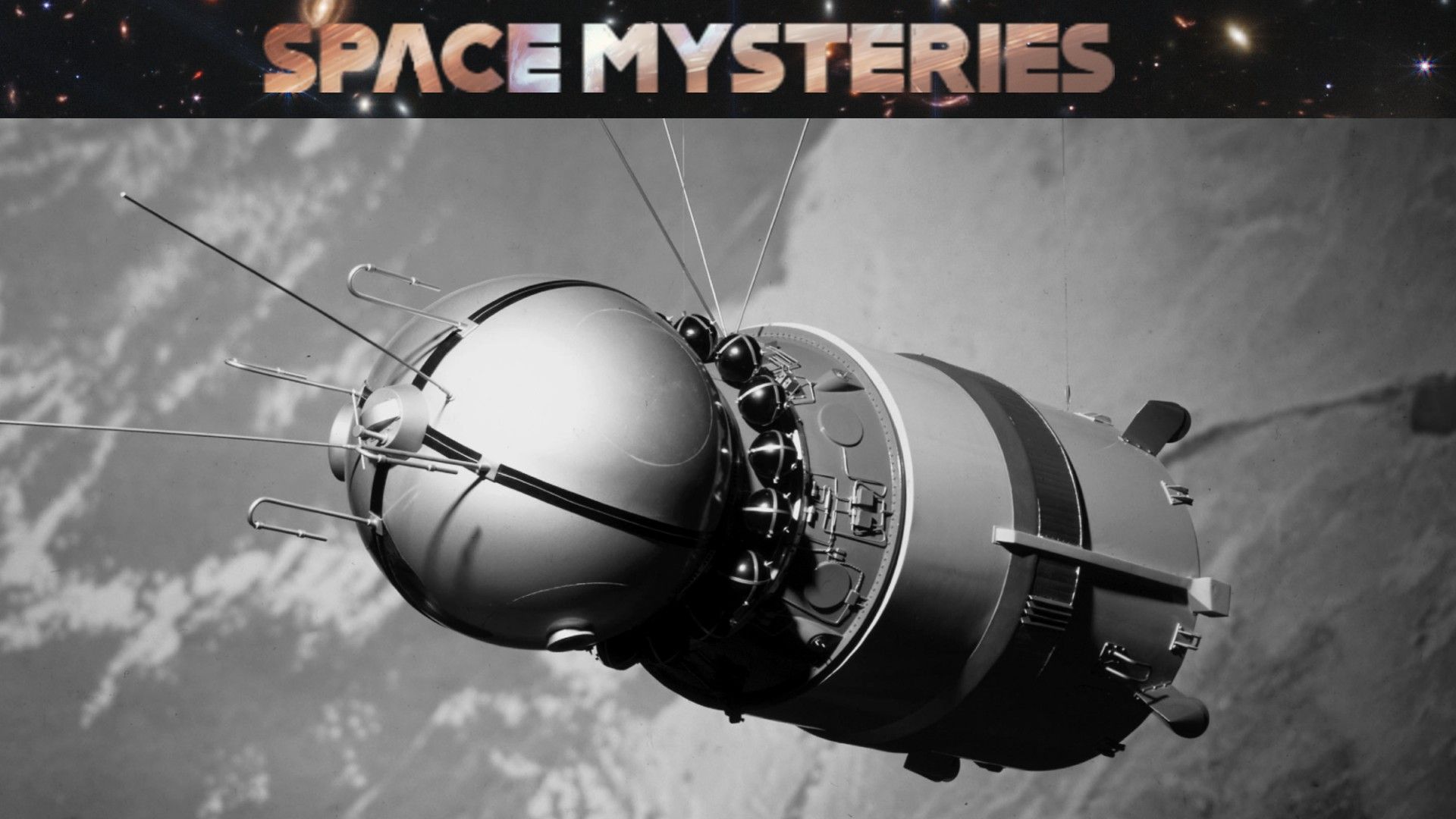
At the height of the Cold War, two amateur radio operators alleged they intercepted signals from Soviet cosmonauts who perished during missions that remained secret.
When you purchase through links on our site, we may earn an affiliate commission. Here’s how it works.
In the final weeks of 1960, two young radio enthusiasts were monitoring transmissions from a home-built listening station on a rooftop in Turin, Italy, when the brothers detected something extraordinary: a faint signal that bore the hallmarks of one originating from space. That wasn't the only surprising thing about the alleged signal:, the transmission carried a very familiar message: it was Morse code for the international distress signal SOS.
As the youths listened, the signal seemed to grow weaker. This raised a troubling possibility: could it be that the signal's source was moving farther away from Earth? And if so, was it possible that this concerning signal was of Soviet origin — perhaps a spacecraft drifting helplessly into space, carrying a cosmonaut on board whose doomed mission had never been publicly acknowledged?
These strange events from November 1960 became the first in a series of alleged radio signal interceptions that would form the basis of an enduring Cold War-era mystery involving so-called "lost cosmonauts" — early Soviet space travelers rumored to have died during secret spaceflight missions before Yuri Gagarin's historic flight the following spring, in April 1961.Today, more than six decades later, the story remains one of the most haunting legends of the Space Age. Were there truly early Soviet space missions — with tragically ill-fated cosmonaut crews — that remain undisclosed to this day?
The peculiar story began in October 1957, as the Italian brothers Achille and Gian Battista Judica-Cordiglia learned, along with the rest of the world, about the Soviet Union's successful launch of Sputnik 1, Earth's first artificial satellite.
Immediately, the two became fascinated with the idea of trying to listen in on signals from such spacecraft and began working to assemble their very own radio tracking station, which they put together mostly from secondhand military surplus equipment. What they couldn't easily find and purchase, the brothers would often assemble themselves. They built an improvised tracking station in an abandoned World War Two bunker, which the brothers dubbed Torre Bert, that eventually became a fully functional radio facility with an antenna they built from salvaged materials like chicken wire and scraps of metal.
Whatever it lacked in aesthetics, the station made up for in functionality, and soon the brothers' amateur efforts reportedly allowed them to successfully intercept transmissions associated with Sputnik 2, the first Soviet spacecraft to carry a living creature into orbit: a dog named Laika, who became a one-way passenger on the mission. Later, the boys also said they were able to track transmissions from America's Explorer 1 satellite.
Some of what the Judica-Cordiglia brothers were able to achieve could be chalked up to being in the right place at the right time. Specifically, their location in northern Italy was advantageous, since it allowed them to monitor signals from Soviet spacecraft passing overhead.
By late November 1960, the Judica-Cordiglia brothers learned of reports from a West German observatory suggesting there may have been an unidentified satellite in orbit, raising an intriguing possibility: could there have been a spacecraft launch that had not been disclosed to the public?