// ENGADGET — HARDWARE & GADGET
Every Xbox console generation sorted by release date
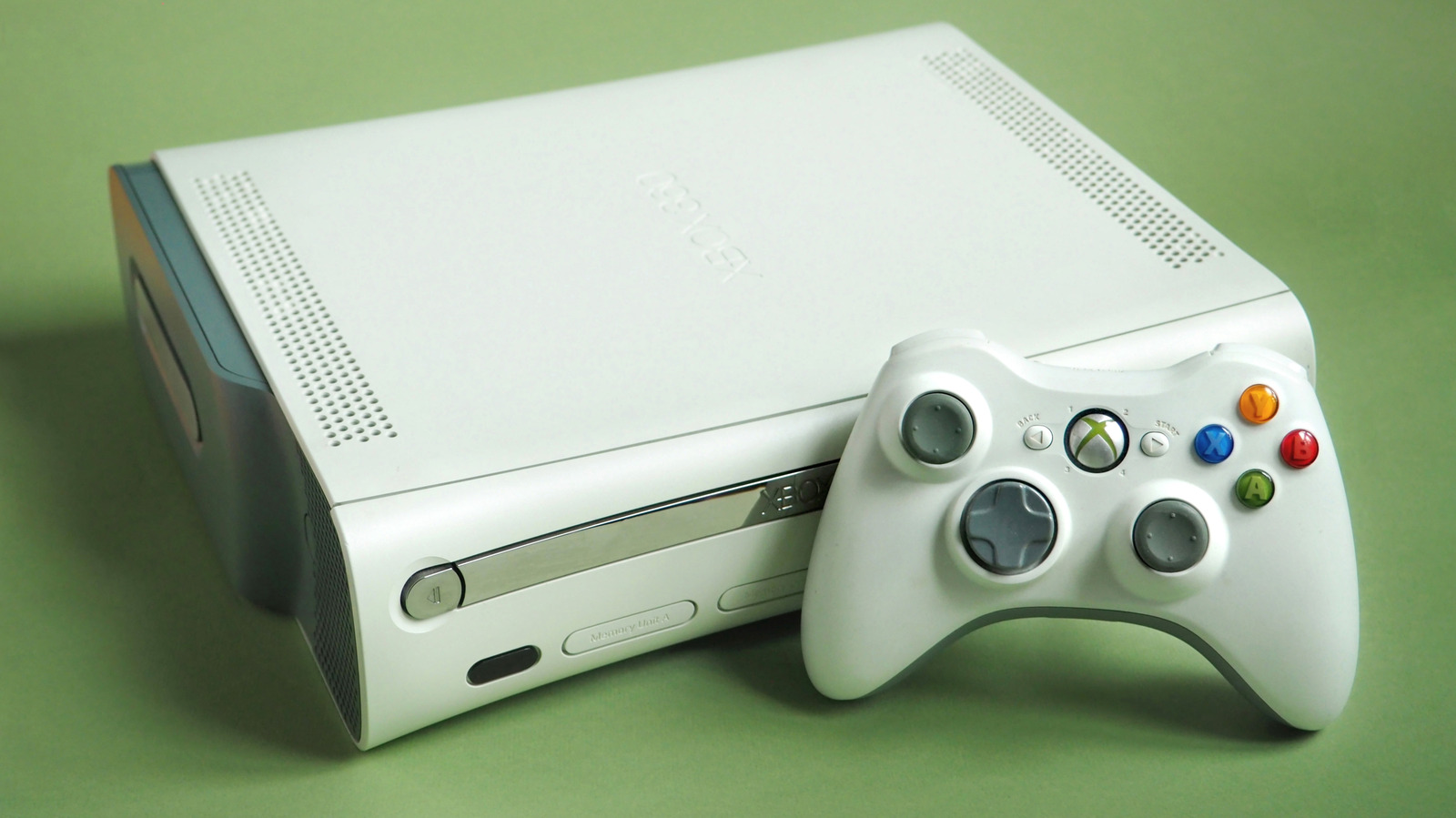
Celebrate 25 years of Xbox with a trip down memory lane.
Since taking a crack at gaming in 2001, Microsoft has rolled out nine distinct Xbox variations across four generations (not including different SKUs like the Xbox 360 Arcade). From the jump, the line has introduced new ideas that (literally) changed the game, like revolutionizing online console gaming, introducing achievements and launching a subscription-based game library with Xbox Game Pass.
With it being 25 years since the first console and its little shooter game about aliens hit shelves, it's a great chance to take a trip down memory lane. While details about the next Xbox are still up in the air, now's the time to reminisce. Let's start at the top, from the days of the Duke controller to "everything is an Xbox."
In 2001, the original $300 Xbox went toe-to-toe with Sony and Nintendo, who had released the PS2 and GameCube in the US within a 13 month-period. The sales affirm that the PS2 was by far this generation's most popular console — and the best-selling console of all time, in fact. But Microsoft deserves tons of credit for the high standard it set for online gaming with Xbox Live, which launched in late 2002.
With just $50 a year and an active internet connection, gamers could play Halo: Combat Evolved and more with friends or randoms; the exclusive series alone was often enough to draw people into buying an Xbox. According to a Microsoft press release from 2003, the service had over 300,000 subscribers within four months, outperforming the PS2's network adapters by nearly 50 percent in subscriber count.
By mid-2005, a few months after Halo 2 was released the holiday season prior, the service had a whopping two million subscribers. And while that's wildly impressive, it wasn't the biggest news to come from Xbox that year.
The Xbox 360 launched in 2005 in two configurations. The $400 Premium had a wireless controller and a detachable 20GB hard drive pre-loaded with a few goodies. Meanwhile, the $300 Core had a wired controller and no hard drive, forcing owners to buy one separately or use a memory card for save data.
After the PlayStation 3 and Wii came out in 2006, Microsoft upped the ante in 2007 with the pictured Elite configuration. It featured a matte black finish, a 120GB hard drive and, arguably most important of all, an HDMI port.
Then in 2010, Microsoft released the 360 Slim, tackling the original's infamous overheating problem that often led to the Red Ring of Death. This revamped model had a whole new cooling system and up to 320GB of storage. Ultimately, Microsoft ushered this famed generation out with the 360 E in June 2013, introducing a sleeker design just months before the Xbox One arrived.
Even with the Red Ring, Microsoft's second-gen console remains its best-selling ever, with at least 84 million units sold. This generation rolled out features like achievements and Gamerscore, rewarding progress and often giving a reason to revisit games. Speaking of which, the Xbox 360's now-iconic exclusive games may be coming to PC, giving us a chance to replay hits like Halo 3, Fable II, Gears of War and Forza Motorsport 2.