// ARS TECHNICA — MOBILE & WEB
Trump admin still won't let Wi-Fi giant TP-Link sell its latest routers in US
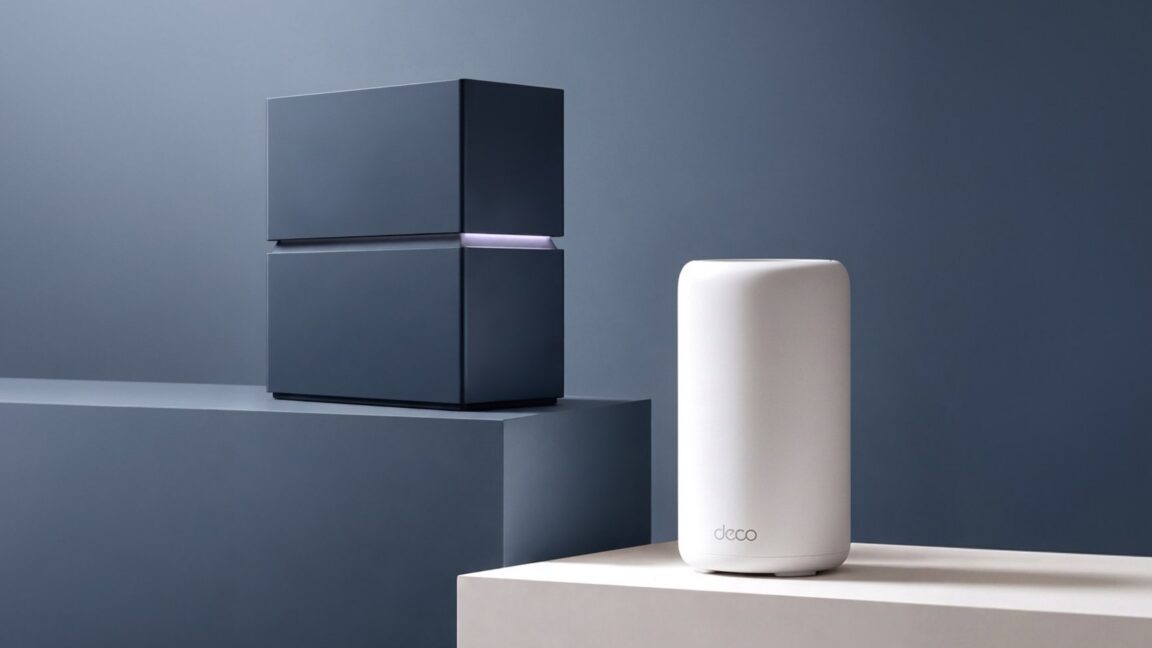
TP-Link’s struggle illustrates how Trump admin wields control over device makers.
TP-Link, which may be the top provider of wireless routers for US homes and small businesses, isn’t allowed to sell its latest Wi-Fi routers in the US. The Trump administration imposed a sweeping ban on foreign-made consumer routers in March 2026, and TP-Link hasn’t been able to obtain an exemption.
The rules prevent the import or sale of all new router models that are manufactured, assembled, designed, or developed outside the US. The Trump administration has control over which router makers receive special permission to import and sell new products through a waiver-review process involving the Federal Communications Commission, the Department of Defense, and the Department of Homeland Security.
While some of its competitors have obtained exemptions to the ban, TP-Link appears to be having a hard time making its case to government officials. Its routers approved before the March 2026 ban remain available for sale in the US, but its newly released Wi-Fi 8 routers cannot be imported or sold.
TP-Link’s struggle is not much of a surprise, given its history as a Chinese company and the Trump administration’s focus on reducing reliance on Chinese and other foreign technology. While TP-Link faces political challenges related to the Trump administration’s push for on-shoring, its problems go deeper: It must convince the government its routers aren’t vulnerable to foreign hacking campaigns and that its routers are not Chinese-controlled technology, as suggested at a Congressional committee hearing last year.
TP-Link was founded in 1996 in China but has since split into two companies, with one in the US. The US-based TP-Link established California as global headquarters in October 2024, months after completing a “formal organizational separation” from the TP-Link entity in China.
“TP-Link has split from and no longer has any affiliation with TP-LINK Technologies Co., Ltd., which serves the mainland Chinese market. Despite having similar names, these companies have entirely different ownership, management, and operations,” TP-Link says.
TP-Link opened preorders for its first Wi-Fi 8 router, the Archer 8 Ultra, in September, though not in the US. It’s expected to ship this month and costs £899.99 in the UK, or about $1,178. Since it’s priced like a luxury device, its unavailability in the US won’t make a difference to most consumers. But it’s unknown how long it will take TP-Link to gain permission to sell Wi-Fi 8 routers in the US, or whether it will receive permission at all.
TP-Link has pledged to assemble all new routers in the US, but convincing Trump officials that it is fully under US control is likely a difficult task. The government reviews of router makers’ requests for waivers, formally called conditional approvals, are shrouded in secrecy. From the outside, it is unclear whether the Trump administration applies consistent security criteria to all companies or whether it grants waivers to favored companies without regard to the actual security of their products.
Companies led by Trump allies Elon Musk and Jeff Bezos fared well in the reviews. SpaceX’s Starlink division obtained a waiver for its routers, while Amazon received a waiver covering routers for its Leo satellite broadband service and the devices sold by its Eero subsidiary. There have been 26 waivers issued so far, covering products made by firms such as Netgear, Asus, Adtran, Calix, Nokia, Micro-Star International, Askey, Zyxel, Humax, and Vantiva.