// SPACE.COM — SPAZIO & SCIENZA
July full moon delights skywatchers worldwide. Here are our favorite photos of the majestic Buck Moon
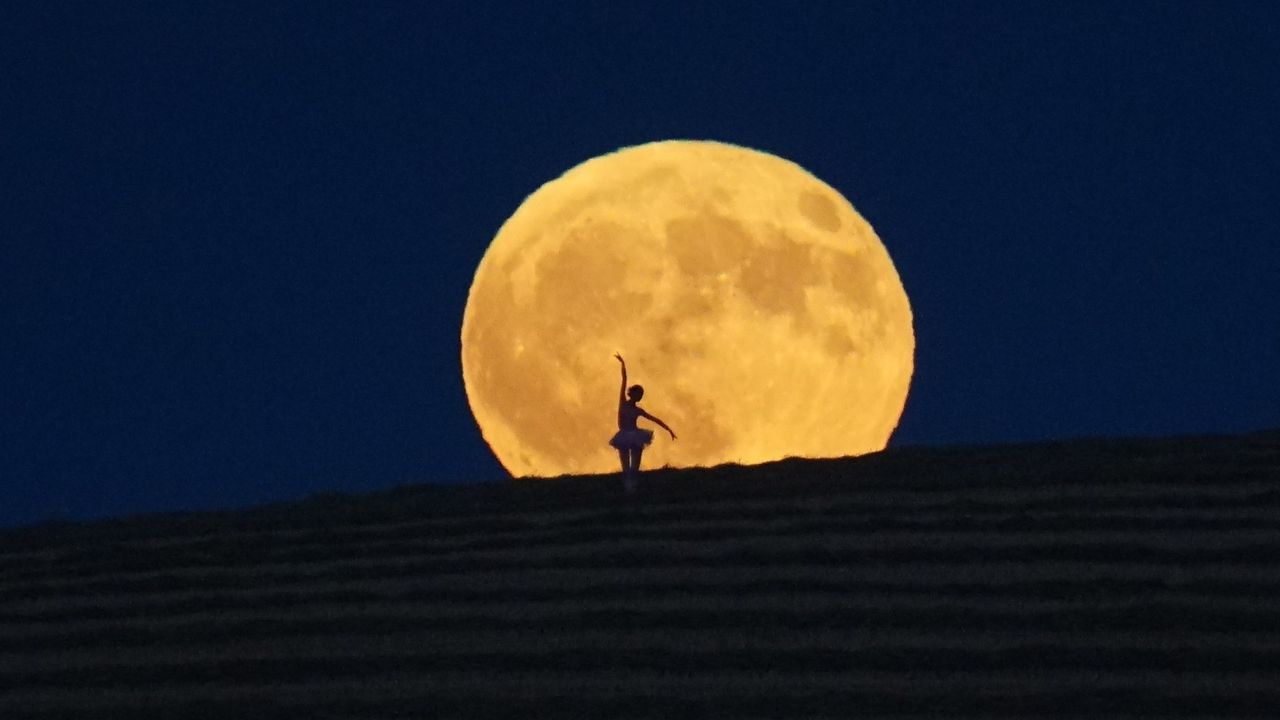
Wildfires and a balletic display, these are the best photos of the July Buck Moon 2026.
When you purchase through links on our site, we may earn an affiliate commission. Here’s how it works.
The full Buck Moon rose to delight and dazzle stargazers with a spectacular display of moonlight on July 29 and we've got the photos to prove it!
July's moon is also known as the full "Buck Moon" — a traditional name used by Native American tribes to reflect the time of year when young deer grow out their antlers. Sadly, the name didn't herald any dramatic transformation in the appearance of the moon, but it still made for a spectacular sight — and photo opportunities — as it climbed above the eastern horizon at sunset on July 29.
Here's a selection of spectacular photos of the July Buck Moon 2026 captured alongside gorgeous natural landscapes, terrifying wildfires and stunning cityscapes from around the world.
Our first photo of the full Buck Moon comes courtesy of Mesut Karaduman, who captured a gorgeously framed view of a ballerina performing in front of the yellow-orange lunar disk on a hillside close to the city of Tekirdağ in northwestern Türkiye on July 29.
Sadly, the rising of the full Buck Moon was not a tranquil occasion for some in Europe, where its color was stained a deep crimson by the smoke from wildfires, which continue to ravage vulnerable areas in the wake of a prolonged heatwave.
Photographer Sergen Sezgin captured one such scene firsthand, as the moon rose over a smouldering hillside close to the Turkish city of Balıkesir, a few hundred miles south of Tekirdağ.
Kevin McCarthy captured this photo of the full Buck Moon as it glowed in the skies over North Carolina, with the dark profiles of lunar seas and bright pockmarks of craters scarring the lunar surface.
"I stepped out onto my driveway in Charlotte, North Carolina, at 11:15 p.m. to capture tonight's full Buck Moon," McCarthy told Space.com in an email. "The moon has a definite warm tint likely caused by its low position in the sky, causing the light to pass through thicker layers of the atmosphere. "