// BBC WORLD NEWS — MONDO
How police in US are using the power of podcasts to crack unsolved murders
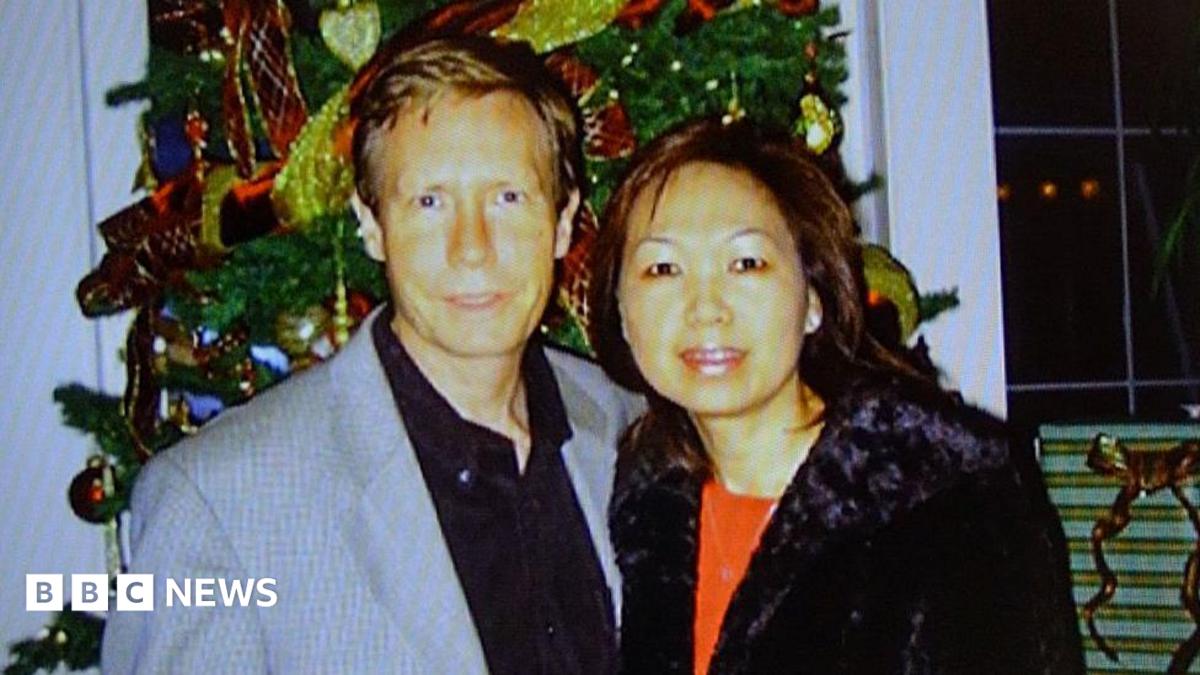
Peter Chadwick with the wife he killed, Quee Choo Chadwick
Peter Chadwick had been on the run for nearly four years, charged with murdering his wife, when California police launched a podcast about the crime.
He was captured in Mexico 10 months and 20 days later.
Karen Schepers had been missing for more than four decades when another police force, in Illinois, debuted the first episode of a podcast last year about the cold case - and her body was found at the bottom of a river within weeks.
Now Colorado investigators are hoping to bring in elusive tips about a 10-year-old unsolved murder, too. The Aurora Police Department (APD) released its own podcast this summer in an attempt to achieve justice for Chelsea Yasser, 21, who was found fatally stabbed in a shopping centre parking lot in 2016.
As the barrelling behemoth of true crime content continues to flourish, police departments across the US and abroad are turning to podcast production for help solving cold murder cases and other investigations.
The unsolved murder of Chelsea Yasser, 21, is the subject of a new police podcast
"The true crime genre - whether it's TV, whether it's podcasts, whether it's books – I mean, it's wildly popular," says Joe Moylan, Aurora Police Department's public information officer. "And we absolutely were deliberate in trying to tap into that broader audience."
The phenomenon is still in its infancy and brings its own benefits and pitfalls - but experts believe the trend will grow.
"I think it's a tool that everyone will eventually embrace," says Michael Alcazar, retired NYPD detective and adjunct professor at John Jay College of Criminal Justice. True crime podcasts can air inaccurate information, he says, but this way police get to control what is out there and seek new tip-offs.