// PC GAMER — GAMING
The great RPG debate: Do RPGs really need romanceable companions?
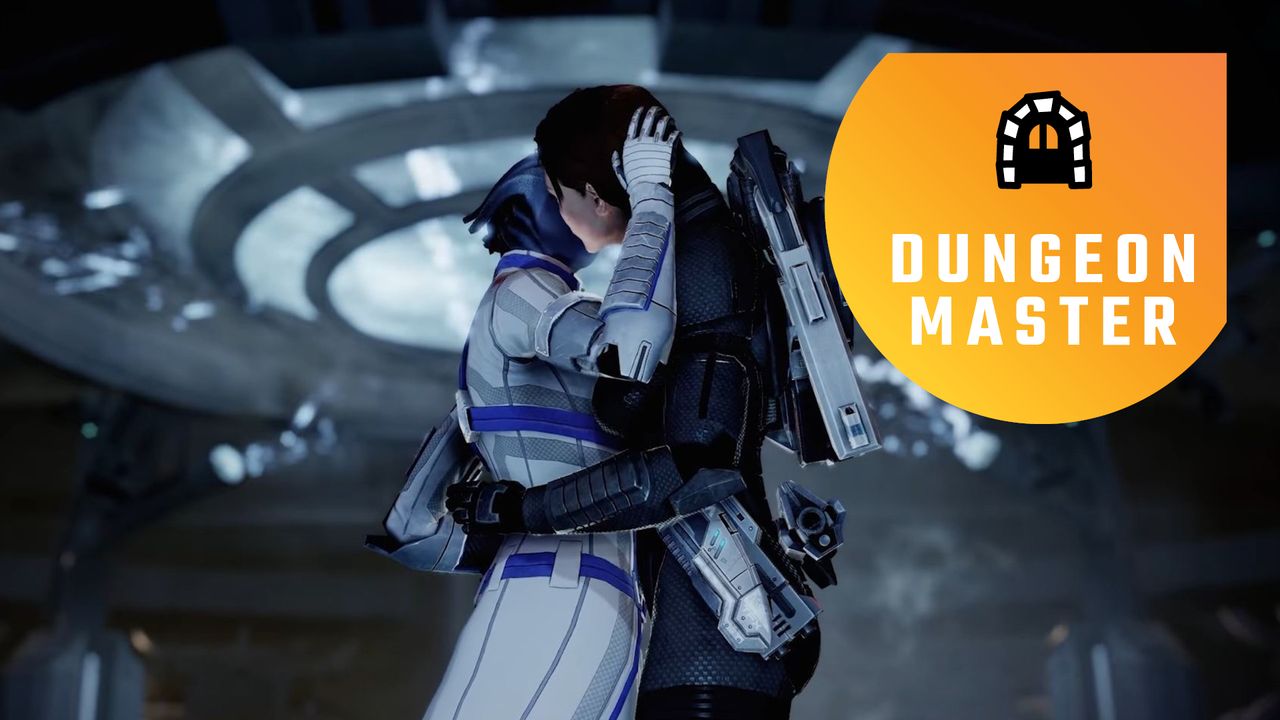
Knocking boots with companions has become an RPG tradition, but does it really add anything?
When you purchase through links on our site, we may earn an affiliate commission. Here’s how it works.
Welcome to Dungeon Master, PC Gamer's regular RPG column, where Online Editor Fraser Brown delves into PC gaming's most beloved and enduring genre. Grab a seat in our badly-lit tavern and please ignore the goblin puke.
Videogames have always struggled a wee bit—and I'm being generous here—with the subject of romance. Explosions, dragons and alien invasions? It's got that stuff locked down. But the language of love has proved a bit more elusive. Developers, especially RPG devs, have refused to back down in the face of this challenge, however, and we're now at the point where the absence of romance has become more noteworthy than its inclusion.
Arguably, this is BioWare's legacy. It wasn't the first, but BioWare's RPGs really codified videogame romances—specifically romanceable companions—starting with Baldur's Gate 2. This has become so commonplace that even games that aren't really RPGs, like Star Wars: Zero Company, need to answer the question: can we knock boots with our colleagues?
But is this feature really essential in an RPG? Is it even warranted? If we were just talking about the BioWare model, I'd have to say absolutely not. But there are some caveats.
BioWare's actually designed some genuinely great relationships over the last few decades. In Dragon Age, the potential relationship between the Grey Warden and Morrigan is critically important for the series' overarching story, and equally important is how the development of that relationship really lets you get to know one of Origins greatest and most closed off characters.
Mass Effect also does some interesting things with its romanceable companions. The relationship with Liara, for instance, starts off a bit creepy. In the context of her species, the asari, she is effectively a child, despite being over 100 years old, which is clearly emphasised by her innocence and naivety. By Mass Effect 2, however, she's gone through a great deal and comes across as more self-assured and grown up, and while she only appears in the DLC, the relationship feels considerably more nuanced.
Shep's trilogy also benefits from having the same protagonist throughout, giving you the opportunity to develop a relationship across three distinct games and DLC. There's a lot of room to explore romance, then. But the series never quite manages to escape BioWare's formulaic approach to romance.
You have a handful of conversations, say that you're crushing on someone, and then just before the end of the game you sit through a sex scene. Your companions rarely have much agency—it's just another power fantasy.