// SPACE.COM — SPAZIO & SCIENZA
Perseid meteor shower peaks under perfect skies tonight — here's what to expect
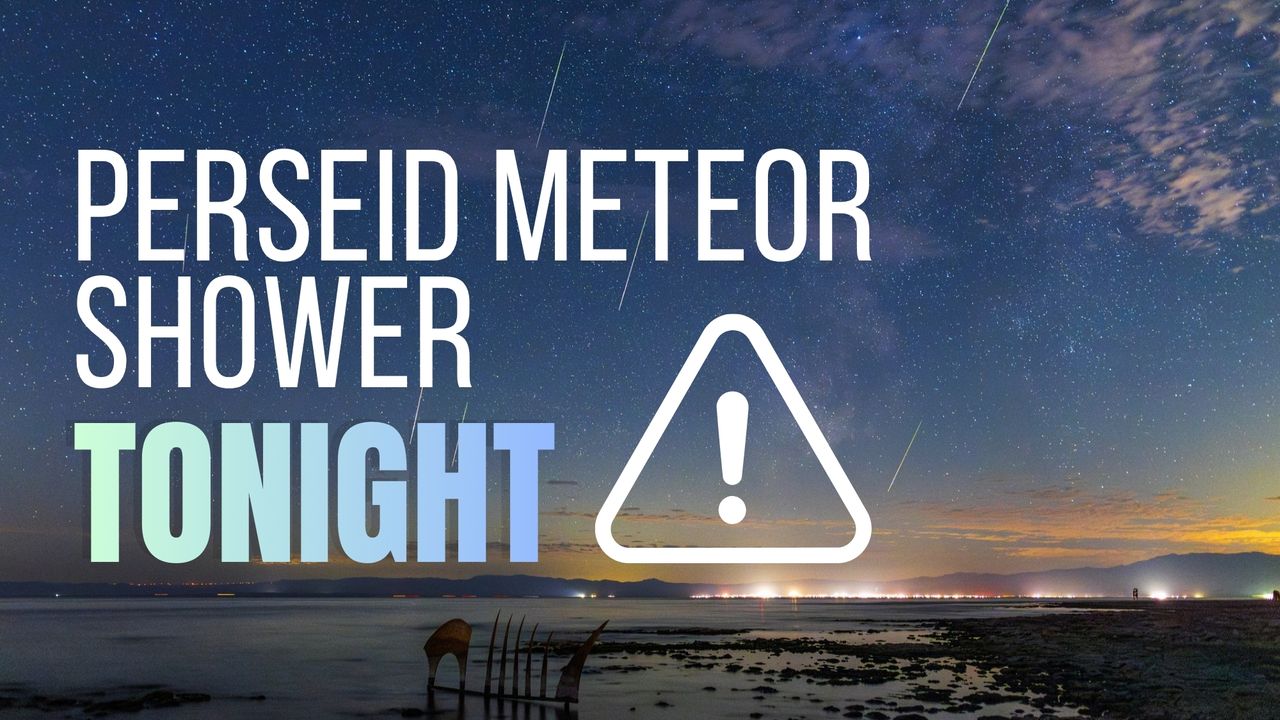
Don't miss the peak of the Perseid meteor shower tonight. Here's when, where and how to see it.
When you purchase through links on our site, we may earn an affiliate commission. Here’s how it works.
The Perseid meteor shower, one of the most prolific and impressive meteor showers of the year, peaks tonight!
Widely regarded as one of the best meteor showers of the year, the Perseids can produce up to 100 meteors per hour under ideal viewing conditions and weather permitting.
This year's display is particularly favorable because the shower peaks on the night of the new moon, leaving skies free from bright moonlight that can wash out fainter meteors.
The Perseids can produce meteors throughout the night, but the best viewing begins around 11 p.m. local time, with activity increasing after midnight and continuing until the predawn hours. Under dark, clear skies, patient observers could see dozens of meteors every hour with the highest rates expected just before dawn.
The annual show occurs as Earth passes through a trail of comet dust and rocky debris left behind by Comet 109P/Swift-Tuttle. Every year, our planet plows through this stream of cometary material, causing tiny fragments — many no larger than a grain of sand — to slam into Earth's atmosphere at around 133,000 mph (214,000 km/h).
As these particles compress and heat the air in front of them, they burn up high above Earth's surface, creating the brilliant streaks of light we know as meteors or shooting stars.
The Perseids appear to radiate from the constellation Perseus, but you don't need to look directly at the constellation to enjoy the show. In fact, the longest and brightest meteors appear about 45 degrees away from the radiant, when you're not viewing them head-on.
To give yourself the best chance of seeing as many meteors as possible, head somewhere with dark skies, away from city lights and give your eyes around 30 minutes to adjust to the darkness. Avoid checking bright phone screens (easier said than done!) and leave the telescope or binoculars at home — meteors are best enjoyed with the naked eye.