// PC GAMER — GAMING
Sony has 'zero understanding for what their customers want' says gaming preservation group
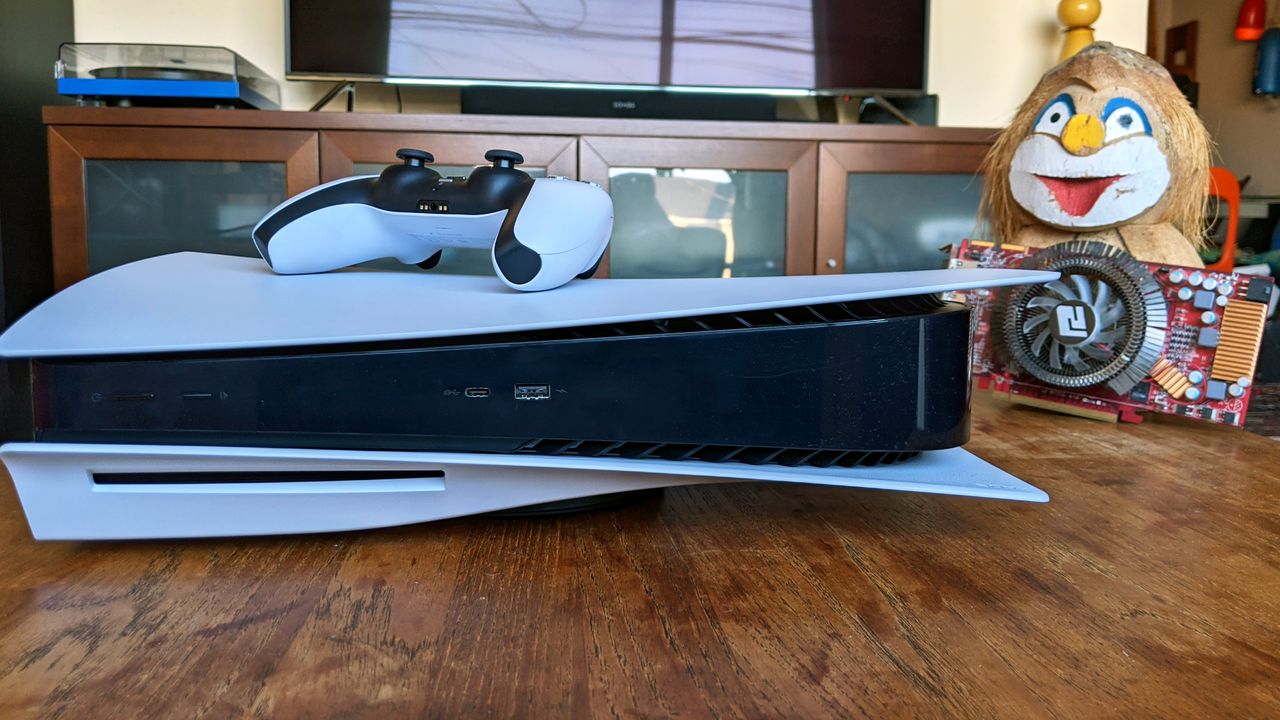
With Sony ending disc support, many fear what that means for game preservation going forward.
When you purchase through links on our site, we may earn an affiliate commission. Here’s how it works.
PC gamers may have watched physical game discs disappear years ago, but there's a battleground happening over in console land right now. A big one. And it might only be getting more contentious as time ticks on.
With Sony ending support for physical discs in the near future, and the heads of Ubisoft and Take Two seemingly not caring very much, you might think the end of physical game media is not far off. Yet there exists a growing movement to push back against this trend. I had a chance to chat to Clemens Istel, the owner of game preservation site Does It Play, about this movement.
He tells me, "Customer rights are almost non-existent in the gaming space, and companies have proven time and time again that honest communication is not their strong suit."
Does It Play is both a physical games media advocacy group and a database dedicated to documenting which games can be played without a download or offline. Istel is also part of the team behind Stop Killing Games. Just last month, we documented Does It Play's reporting, showing that 34% of physical PS5 games and 50% of tested Xbox Series X games don't fully work without a download first.
There are a handful of central reasons one might wish for physical discs to stay around. With games going through so many updates after release, a disc provides a clean way to preserve version 1.0 for future gamers to play and experience. It also means that storefront holders can't have a monopoly over pricing. If you wish to buy a game on PS5, for example, you can buy it directly from Sony, or through any number of second-hand or new physical marketplaces. This gives companies less control over the direct price long-term.
"Less options for people is always a bad thing. Especially if the only option is a future in which your purchased goods can just be taken away or altered whenever somebody else pleases," says Istel.
"For the most part, [over] all these years, it felt like there was an unwritten agreement between companies and players. They provide cool experiences, we buy cool experiences. But in recent years, this symbiosis [has] more and more turned into a one-sided form of exploitation." He continues, "Lobby groups and lawyers attacked preservation efforts, a growing minority of games are released unfinished, even hardware now has online dependencies."
Keep up to date with the most important stories and the best deals, as picked by the PC Gamer team.