// ARS TECHNICA — MOBILE & WEB
US wait times for cancer surgeries are getting longer and longer
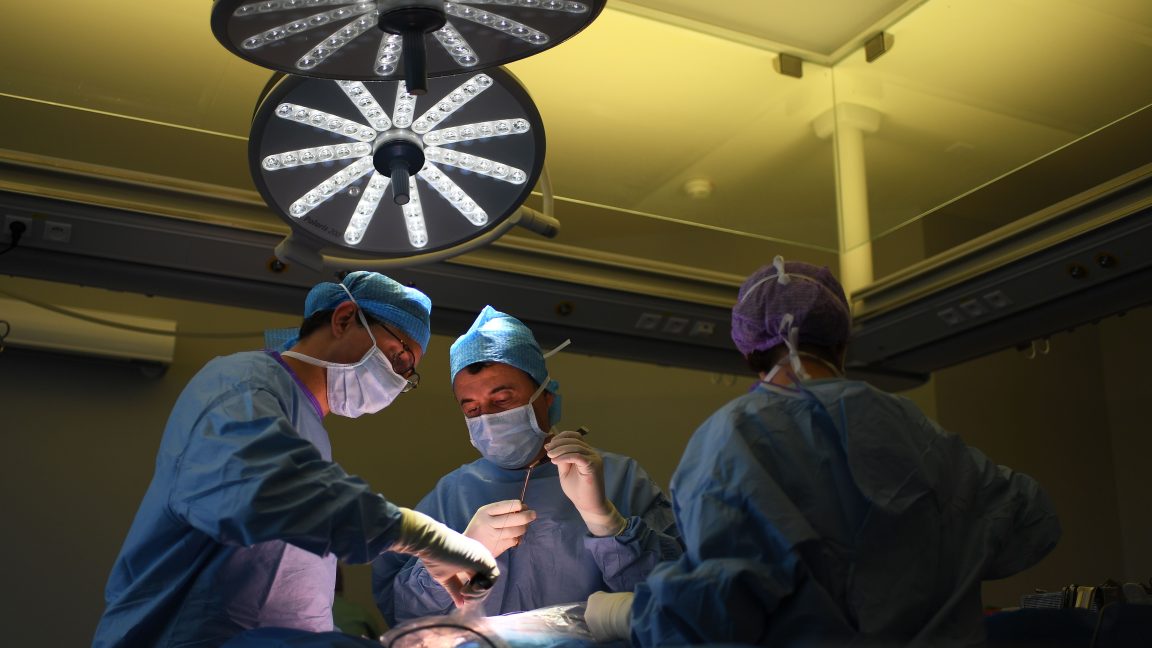
Study finds wait times for cancer surgeries hit 10-year high.
As cancer treatments have advanced and outcomes have improved, one aspect of cancer care in the US has consistently worsened over the last decade: the wait time for surgery.
According to a study in JAMA Surgery, patients with one of six types of cancer—breast, colon, lung, pancreatic, gastric, and esophageal—have faced longer wait times for surgery than in 2012. Timeliness is considered a core metric of healthcare quality, and delays in cancer surgery have been linked to poorer outcomes, including reduced survival rates and increased patient anxiety and distress.
The findings of the new study are based on data from over 2.7 million patients who had been diagnosed with non-metastatic stage I–III cancers requiring surgery between 2012 and 2023. Researchers led by cancer expert Timothy Donahue at the University of California, Los Angeles, broke that time frame up into four groups: 2012–2015, 2016–2019, 2020–2021, and 2022–2023 to see how wait times have changed over the period.
Wait times for all six cancer types increased over the entire period and incrementally between each of the time groups. For breast cancer, wait times went from 34 days in 2012–2015 to 45 days in 2022–2023. For colon cancer, they went from 20 days to 31 days. For lung cancer, they went from 41 to 53 days. For pancreatic cancer, they went from 23 days to 32 days. For gastric cancer, they went from 35 days to 49 days. And for esophageal cancers, they went from 38 days to 48 days.
The study also found that the proportions of patients with hefty wait times increased across all the cancer types. Rates of patients having prolonged waits of 30 or more days increased across all the cancer types, as did rates for patients having “extreme” waits of 60 or more days.
These increases in wait times occurred as healthcare systems in the US have consolidated and expanded, funneling more patients to centralized, high-volume treatment centers, particularly academic institutions. Those specialized centers can offer high-quality care linked to better outcomes. But the new study raises questions of whether delays in treatment from patient bottlenecks could negate those benefits.
Donahue and his coauthors also note that the wait time increases disproportionally hit socioeconomically vulnerable patients. Those at higher risk for longer waits included patients who were uninsured or on Medicaid, Black (compared with white), lower-income, and had a longer travel distance to a treatment center.
The researchers suggest that centralized treatment centers may be able to streamline care and cut wait times by increasing their patient capacity as well as optimizing their scheduling and referral systems. They also suggest that healthcare systems could be more selective about referring cancer patients to centralized centers. Patients with complex cases or uncommon treatments are good candidates for referral to bigger centers. But “referral of uncomplicated cases, such as breast-conserving surgery or straightforward colectomy, to high-volume centers may introduce avoidable delays without commensurate clinical benefit,” they write.