// PC GAMER — GAMING
RPG companions need to be hateable, otherwise nobody's going to love them
When you purchase through links on our site, we may earn an affiliate commission. Here’s how it works.
Welcome to Dungeon Master, PC Gamer's regular RPG column. This week, Harvey Randall is once more stepping onto this site to argue that you should make your RPG companions obstructive, flawed little nightmares, or you're passing up storytelling gold.
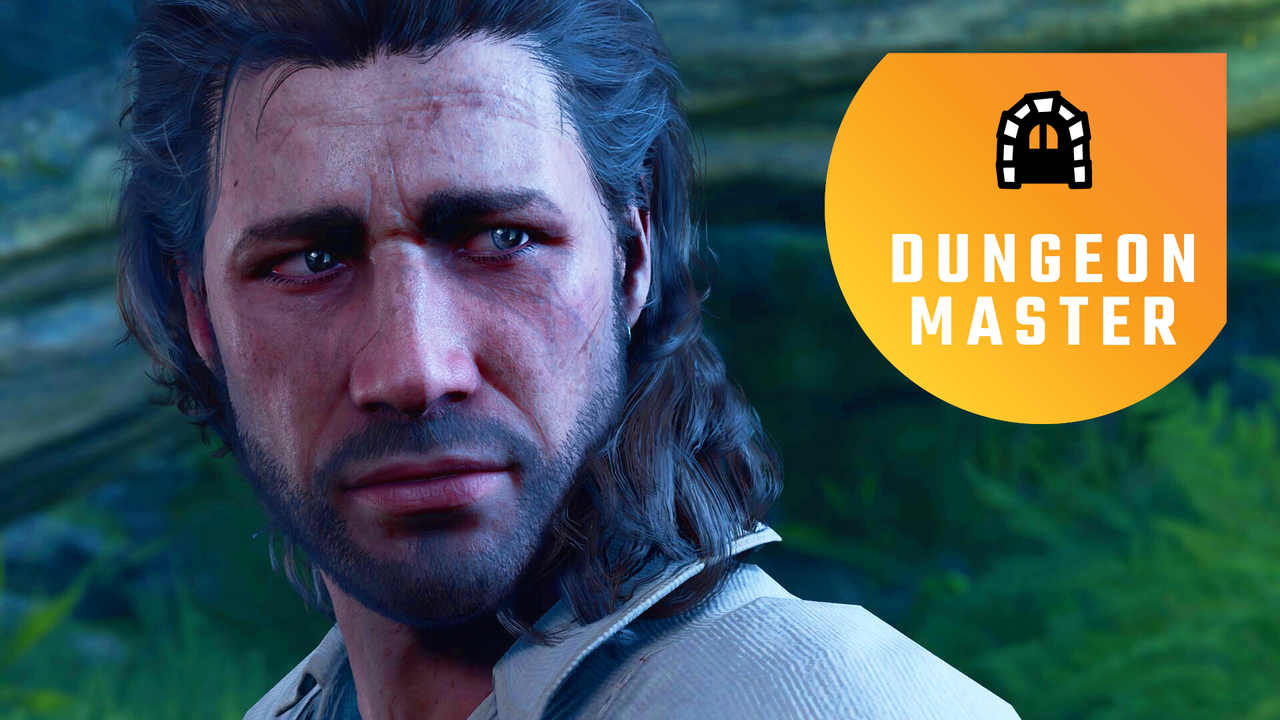
In my Honour Mode playthrough of Baldur's Gate 3, I romanced Gale—you can see my full thoughts on our under-appreciated wizard boy here. What solidified him as one of my all-time RPG romances, however, wasn't his wit or his very nice hair. It was a conversation in which he acted like a petty little bastard.
After your first amorous night together, Gale—like any self-conscious bloke might do—asks you how he performed in the bedroom. If you respond: "It was fine," he fully has a sulk, stopping just short of making a thread on r/AITA.
"Nobody weeps because the weather is fine," he says while his voice actor, Tim Downie, puts as much quiet, brooding petulance as he can into his words. "No monarchs were overthrown because their ruling was fine. No artworks were burned because they were masterpieces, but merely fine."
Then he threatens to blow himself up, calling himself "a fragile vessel in which to place potentially world-ending power. Perhaps it would be better to not shake such a vessel."
I want to point out, Gale sucks for this—it's an absolutely toxic, unpleasant, and thorny response to being told you were just acceptable in the bedroom, so much so that it horseshoes around to being meme-able. But it also cemented why I liked his romance, why I liked him—because it makes him three-dimensional, fleshed-out.
It helps that it works for his character, too. Gale was essentially groomed by the god of magic. In his first relationship since trying to impress someone who has complete and utter power over him, he's going to be sensitive to criticism. Especially after his ex told him to blow himself up—his insecurity is believably petty, because he's measuring himself to perfection.
It's this willingness for companion characters to be unpleasant that makes BG3's cast fly off the screen. Larian's writers weren't afraid of people hating or disliking their characters—many of them are actively hostile to you, or have moments where they can turn against you entirely. And the more I thought about it, the more I've come to realise that that is, in fact, the point.
Keep up to date with the most important stories and the best deals, as picked by the PC Gamer team.