// BBC WORLD NEWS — MONDO
Lindsay Clancy's trial puts postpartum psychosis on the map
Warning: This story contains distressing details and discussion of attempted suicide
A month before Lindsay Clancy killed her three children, she went to her mother and then-husband and told them she had "thoughts of harming the children".
Clancy's mother Paula Musgrove testified this week that during that time Lindsay would say: "'This isn't me, I've never been like this before.' And I would agree, because she wasn't," Musgrove said.
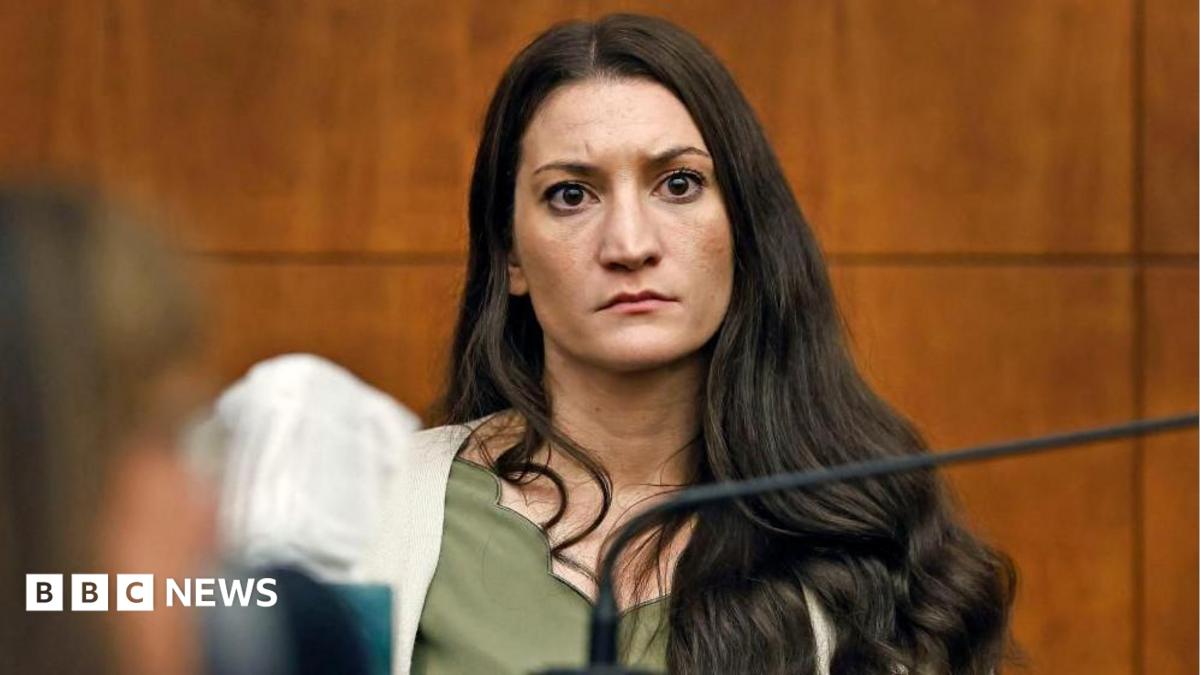
Clancy is not disputing that she carried out the killings, but has pleaded not guilty to murder charges. Her defence argues that Clancy was suffering from postpartum psychosis when she took her children's lives.
Her symptoms included hallucinations and delusions that began after the birth of her third child.
"She was unable to conform her behavior to the rule of law and she had no appreciation for the wrongfulness of her act," Paul Zeizel, a clinical and forensic psychologist, said on the stand on Wednesday.
Prosecutors, meanwhile, alleged she made a calculated decision to intentionally kill her children - Cora, five, Dawson, three, and Callan, who was eight months.
With postpartum psychosis, which is considered a medical emergency, patients can experience mania, depression or a mixture of both. They also endure psychotic symptoms, such as hearing voices that aren't there. In rare, severe cases, they may harm or kill themselves or other people.
It is among the most serious illnesses a woman can experience after giving birth, experts told the BBC, but it remains unclassified in medicine's encyclopaedia of psychiatry.
The illness is gaining more attention as Clancy's trial approaches the one-month mark, and has opened up a dialogue about the mental health complications that women can experience after giving birth.